The need: turning engineering expertise into a clear digital presence
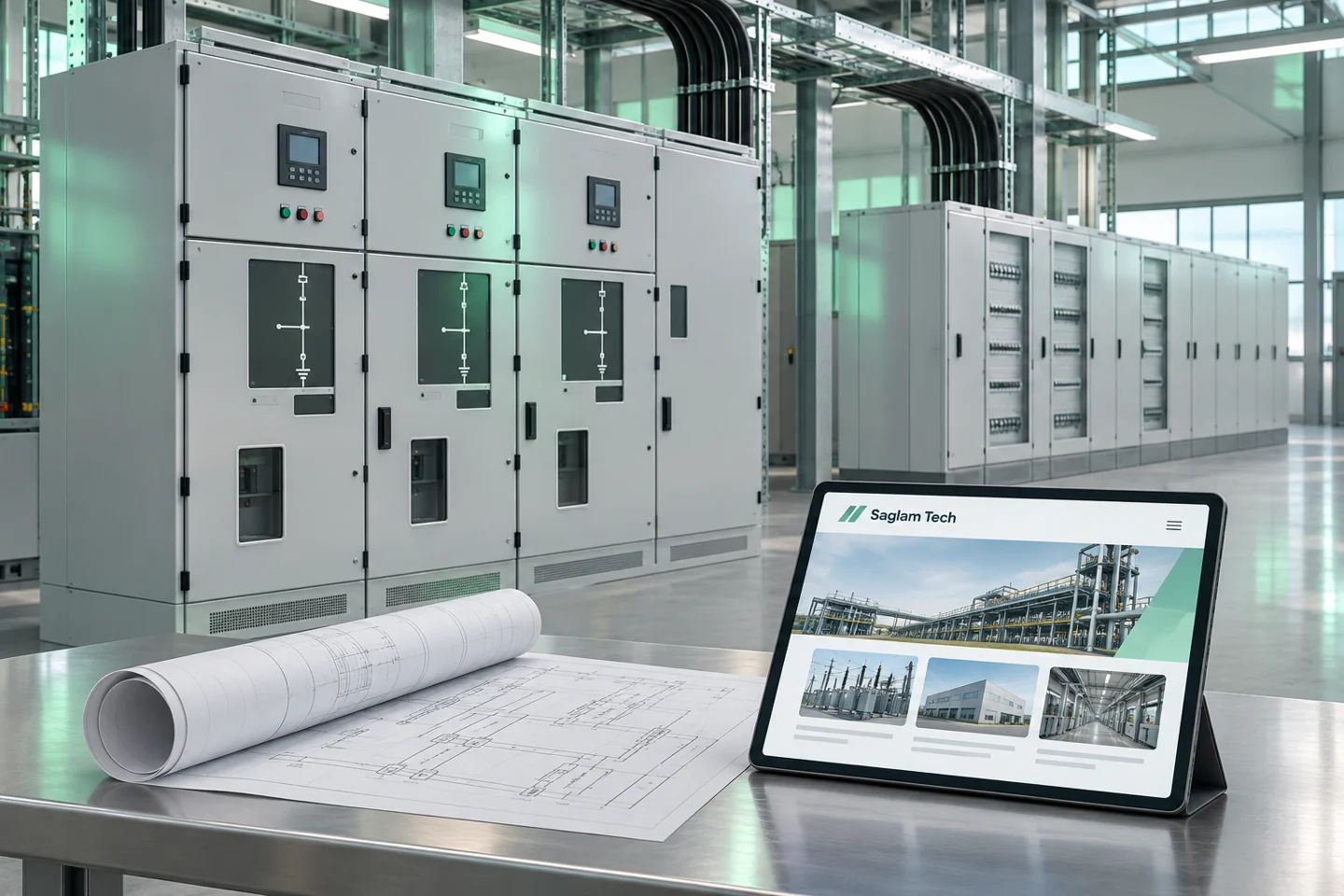
CAN-EL Electric works in industrial electrical engineering and construction contracting. Our role in this project was to develop the website and content infrastructure that communicates its expertise, rather than to deliver its physical engineering projects.
We approached the corporate website, Turkish and English content, technical SEO, news centre and İzlek-managed publishing workflow together. The goal extended beyond a new visual design: company information needed a process for updating, reviewing and publishing it in a controlled way.
Service pages, project context and internal links
Similar engineering terms can describe different responsibilities. Services, project examples and technical content therefore need a clear relationship. CAN-EL’s electrical services page explains the service scope, while its news and technical guides provide deeper context.
Relevant links from an article to a service or project help visitors answer the next question. Descriptive link text and distinct page responsibilities keep different services from becoming blurred together. This content architecture is intended to help people and search systems understand the site.
A bilingual news centre and technical SEO
The news experience includes categories for company updates, projects and technical guides, alongside search, pagination and editorially selected featured content. Article pages bring together titles, summaries, cover images, author attribution, publication dates, reading time, a table of contents and related articles.
The technical work addresses canonical URLs, reciprocal hreflang links between actual translations, social metadata, BlogPosting and BreadcrumbList data and sitemap coverage. Pre-rendered HTML and appropriate 404 behaviour are also part of the foundation. A language link should reach the article’s actual translation, rather than only changing the navigation labels.
Connecting İzlek: from draft to approved publication
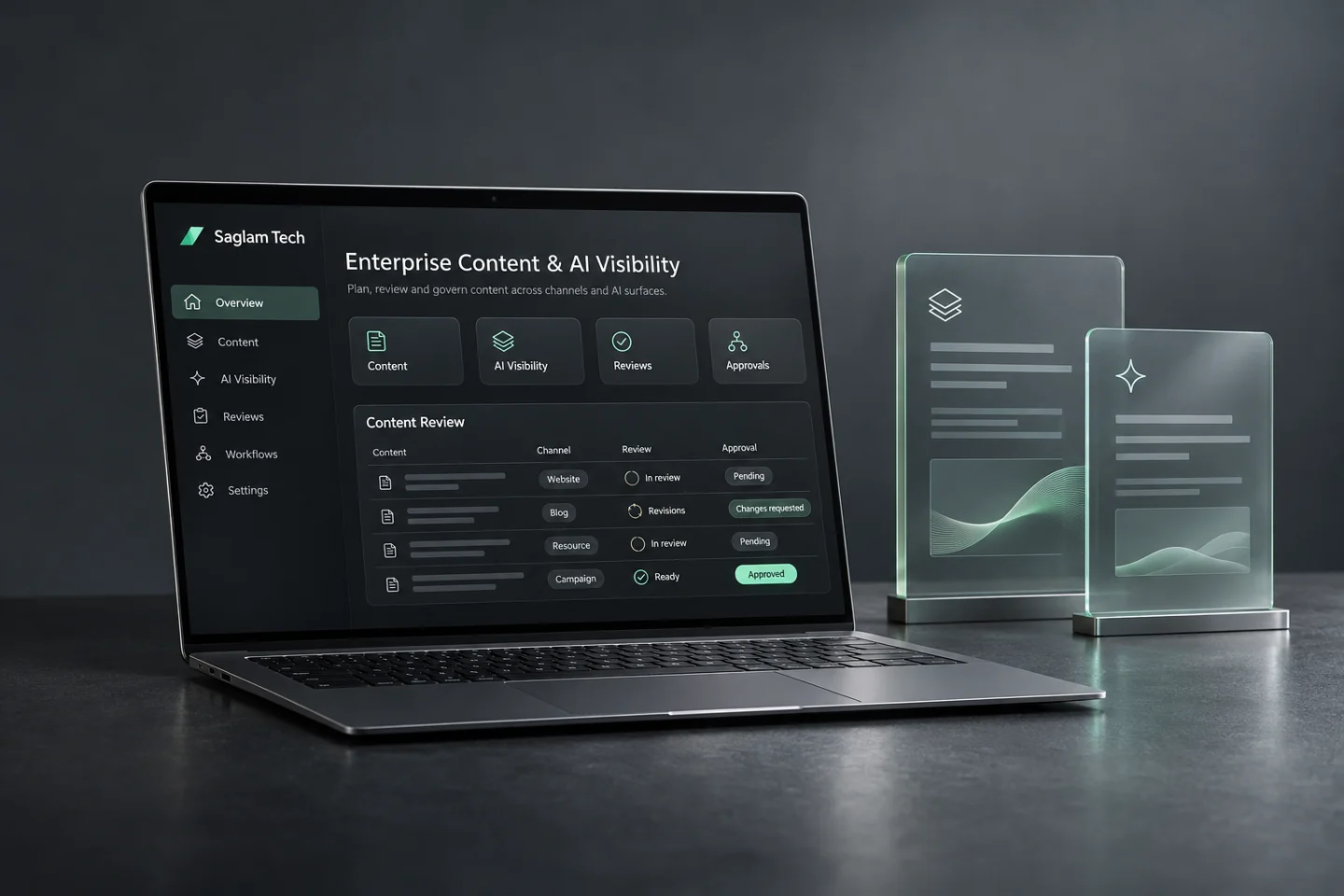
İzlek was developed to connect the knowledge base, drafts, revisions and publication approvals within CAN-EL’s content workflow. Editing a document creates a new revision. Approval for earlier text should not silently apply to changed content, so technical review and publication approval are handled separately.
The publishing workflow aims to export only the reviewed version and the permitted public content. Private briefs, internal notes and approval history do not enter the public output. Previewing, backups, file-integrity checks and publication history form the operational layer. Controlled delivery matters alongside faster content preparation.
AI-assisted content with sources and human review
Research and writing have different responsibilities in an AI-assisted news workflow. A current event and its source links are researched first; a draft is then prepared within the verified company context. Turkish and English drafts need to preserve the same facts and sources. Creating a draft is not the same as approving it for publication.
Human review, source and date checks, duplicate-content checks and version-bound approvals remain part of the process. AI automation should not invent unknown services or unmeasured outcomes. Our SEO and AI visibility approach similarly connects content quality with technical publishing.
Evaluating search data and AI visibility separately
Search Console data includes search clicks, impressions and query/page information. AI visibility evidence needs the question, model, language and source context. These should not be combined into one success percentage. Indexing, a visit and an AI citation represent different observations.
The CAN-EL work illustrates how corporate website engineering and sustainable content operations can be designed together. The scope described here is website development, content, technical SEO and publishing engineering. Explore public examples through CAN-EL News, or talk to us about a comparable project.
Turn your idea into a working solution.
Tell us about your project ↗